Hotel Distribution Strategy in 2026: Optimizing with OTAs
Introduction
2026 marks a significant turning point in the hospitality and travel sector, where technology and customer demands are rapidly evolving. Hotel distribution strategies are no exception to this trend. In a fiercely competitive landscape, optimizing distribution strategies through OTA (Online Travel Agency) channels becomes a necessity. This article will explore the changes in hotel distribution and how hotels can apply these to enhance their business efficiency.
H2: Current State of Hotel Distribution
With the advancement of AI technology, hotel distribution models have been significantly upgraded. In 2026, 60% of hotel bookings are expected to be made through OTA platforms, according to HospitalityNet. The power of OTAs lies not only in their reach but also in their ability to personalize customer experiences through data and analytics. This also means that hotels must rethink their approaches to distribution strategy.
H2: Strategies for Optimizing Distribution Through OTAs
To compete in the current hotel distribution market, hotels should consider the following strategies:
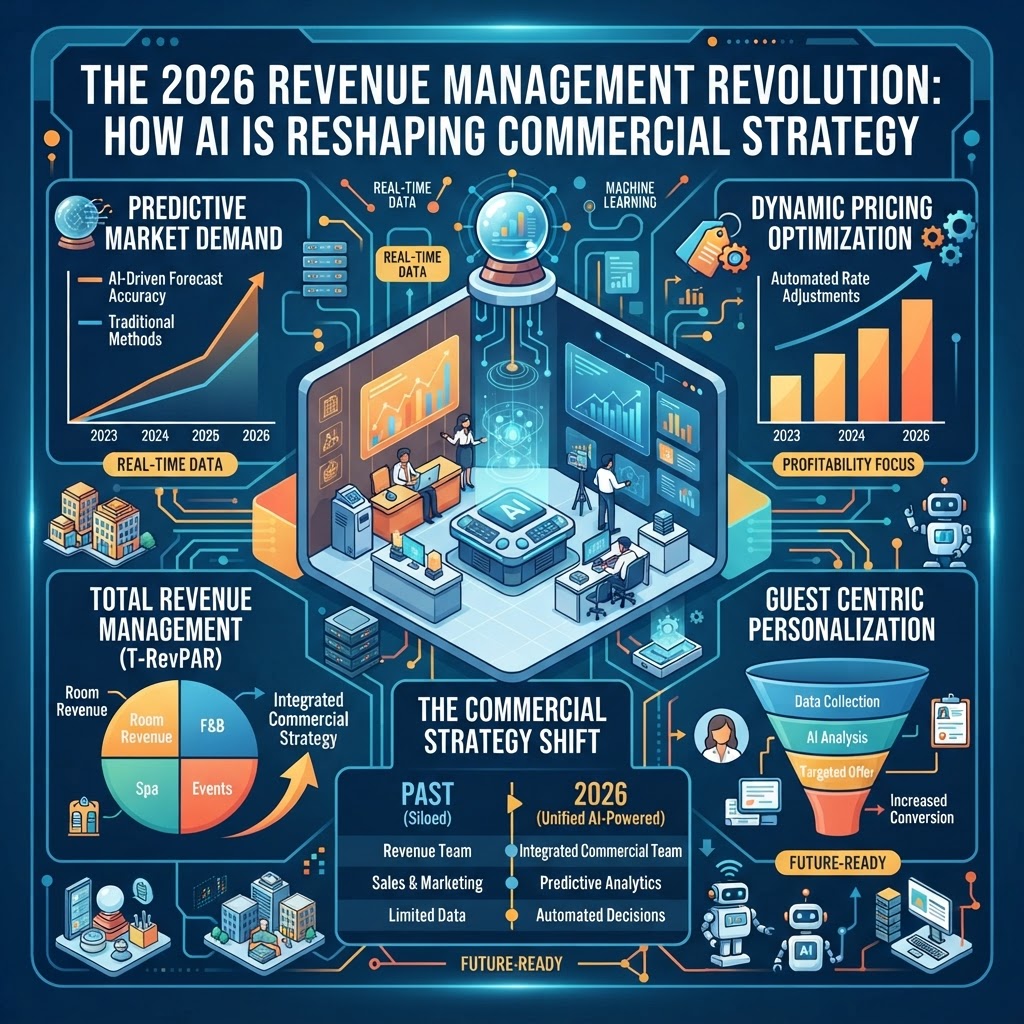
- Utilizing Forecasting Data: By analyzing historical data and booking trends, hotels can predict demand and plan distribution effectively. This not only helps optimize pricing but also ensures that room inventory is effectively utilized.
- Personalizing Experiences: Leveraging AI and Machine Learning, hotels can send tailored suggestions and promotions to specific customers, increasing conversion rates.
- Integrating Distribution Channels: To manage pricing and inventory effectively, hotels need an integrated distribution management system that enables seamless synchronization across channels. Utilizing systems like Duetto or IDeaS allows more flexible and effective pricing management.
Case Study: ABC Hotel
ABC Hotel in Da Nang implemented a multi-channel distribution model encompassing OTAs and direct sales channels. From 2025 to 2026, the hotel's revenue from bookings increased by 25% through the deployment of new technology and data analytics to predict customer behavior. The hotel employed a personalization strategy to send welcome letters and special discounts to customers before booking, improving customer retention.
H2: Risks and Limitations of Distribution Strategies
Although optimizing distribution through OTAs has many benefits, it also has its set of risks:
- High Costs: OTAs typically charge high commission fees, which can erode overall profit margins for hotels.
- Dependency Risks: Hotels may become reliant on a few distribution channels, reducing flexibility in pricing management.
- Information Leakage Risks: Sharing data with OTAs can lead to breaches of sensitive information and unfair competition.
H2: Conclusion
In 2026, hotel distribution strategies need to be adjusted and optimized to conform to the continuously changing market dynamics. Hotels must integrate technology and data to streamline their business processes, while also taking a strategic view of risks and limitations to make informed decisions.
References:
- STR Global - Provides data and analytics for the travel and hospitality industry.
- Skift - Trends and news in the travel industry.
- HospitalityNet - A source of information for the hotel industry.
To learn more about related topics, you can refer to the article on The Evolution of Hotel Distribution Strategies in 2026.